
Many women assume heart disease is something to think about later.
After menopause.
After 60.
After symptoms appear.
But the shift often begins earlier. Quietly. During perimenopause.
Large population data now shows that cardiovascular disease remains the leading cause of death in women, highlighting the importance of early prevention.
Energy becomes less stable.
Sleep lighter.
Recovery slower.
Weight redistributes around the middle.
Stress tolerance narrows.
These changes may seem unrelated. Yet they often reflect early cardiometabolic shifts unfolding beneath the surface.
Not dramatic.
But cumulative.
The Loss of Oestrogen’s Vascular Protection
Oestrogen does far more than regulate cycles.
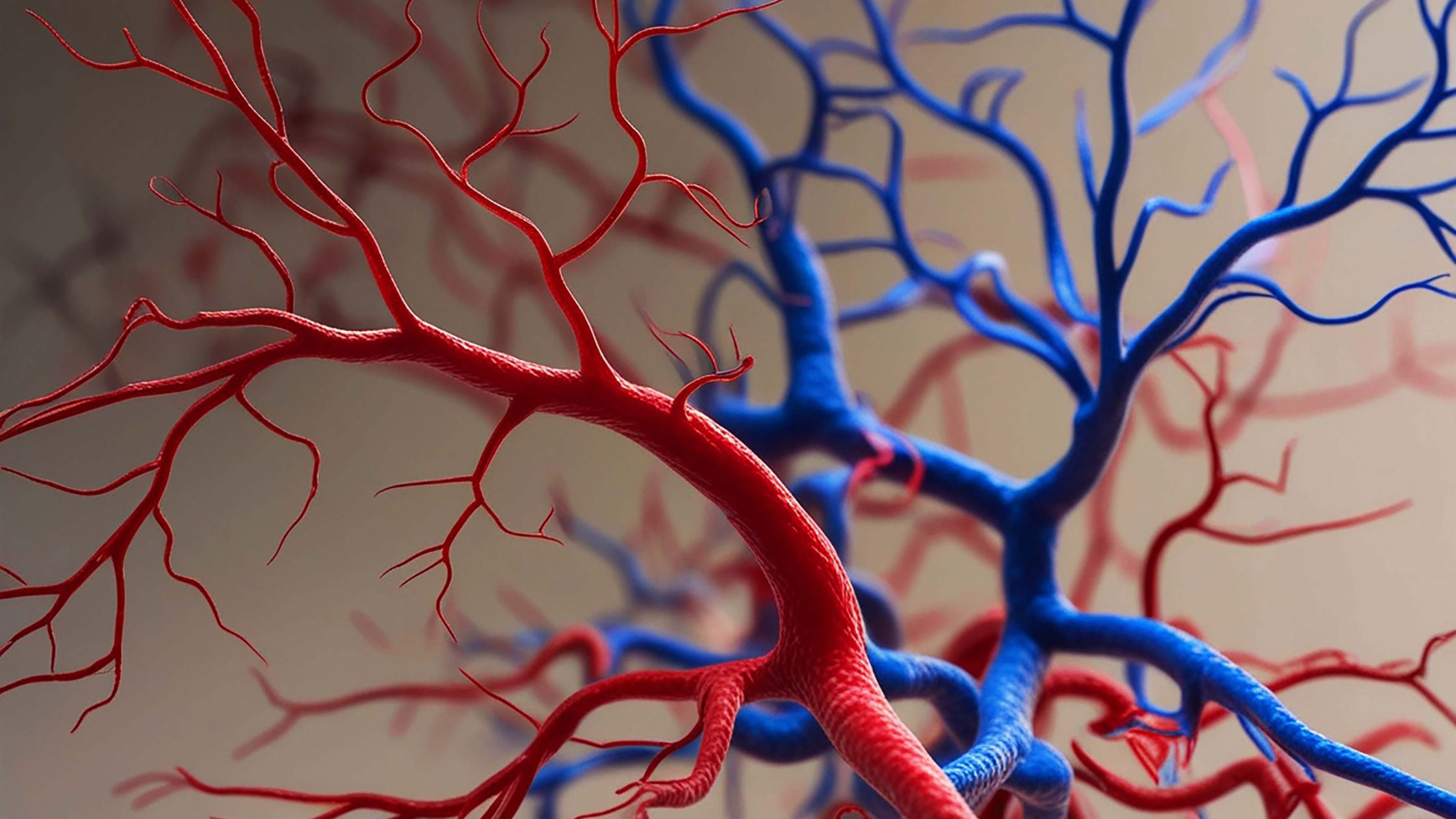
It supports nitric oxide production, helping blood vessels remain flexible.
It influences lipid metabolism.
It modulates inflammatory signalling.
It supports glucose regulation.
As oestrogen fluctuates, this protective buffering becomes less consistent.
Blood vessels may become less responsive.
Inflammatory tone may increase.
Lipid patterns may shift.
This sits within the broader context of changing hormone balance in perimenopause, where multiple systems begin to recalibrate simultaneously.
When Cholesterol Numbers Don’t Tell the Whole Story
One of the most confusing moments for many women is when they are told:
“Your cholesterol is high.”
The immediate reaction is often fear.
But cholesterol is not the villain it is often made to be.
Cholesterol is essential.
It is the precursor to oestrogen, progesterone and testosterone.
It supports brain function and cellular integrity.
During perimenopause, when hormone production is shifting, cholesterol may increase as the body attempts to maintain hormonal balance.
So the question is rarely: Is cholesterol high?
The more meaningful question is: What does the full lipid picture show?
HDL plays a protective role. It helps transport cholesterol away from arteries and back to the liver. Higher HDL levels are generally associated with lower cardiovascular risk. But context matters. HDL is most protective when inflammation and insulin resistance are low.
LDL itself is not inherently harmful. LDL particles deliver cholesterol to tissues that need it, including hormone-producing glands. The issue is less about LDL itself and more about the number of particles circulating.
This is where ApoB becomes helpful. ApoB reflects the number of atherogenic particles. More particles increase the likelihood of arterial interaction, particularly in an inflammatory environment.
But ApoB does not act in isolation. Genetics also influence interpretation.
APOE is a gene involved in lipid transport and cholesterol recycling. It helps determine how efficiently cholesterol is cleared and used.
There are three main variants:
APOE2
Often associated with lower LDL.
Sometimes linked to higher triglycerides.
APOE3
The most common variant.
Considered neutral.
APOE4
Associated with less efficient lipid clearance.
Often linked to higher LDL and increased cardiovascular risk, particularly in the presence of inflammation or insulin resistance.
This does not determine outcomes.
It simply means context becomes more important.
Triglycerides add another layer. When triglycerides rise and HDL falls, this often reflects insulin resistance, a common shift in perimenopause.
When lipids are interpreted in context, we look at:
- HDL protective role
- triglyceride-to-HDL ratio
- ApoB particle number
- inflammatory markers
- glucose regulation
- hormonal status
Because cholesterol is not simply a risk marker.
It is part of a dynamic system.
And in midlife, that system is recalibrating.
Insulin Resistance: The Silent Driver
During perimenopause, insulin sensitivity often declines.
Not dramatically.
Sometimes subtly.
This can lead to:
- increased triglycerides
- reduced HDL
- increased visceral fat
- higher ApoB
- increased inflammation
Even in women who have never struggled with weight.
This metabolic shift is one of the most important drivers of midlife cardiovascular risk.
Stress Physiology and Endothelial Function
Midlife often coincides with cumulative stress: career demands, caregiving roles, emotional load.
At the same time, hormonal buffering decreases.
This combination places greater demand on the stress response system.
Cortisol dysregulation can:
- increase blood pressure
- impair glucose regulation
- increase abdominal fat
- alter inflammatory pathways
I discuss how stress physiology shifts in midlife in more detail in Tired but Wired – Understanding the HPA Axis, as this interaction directly impacts cardiovascular health.
The Nervous System and Cardiovascular Load
Many women in perimenopause describe feeling “wired but tired.”
This reflects nervous system dysregulation, where sympathetic activation remains elevated.
Chronic activation can influence:
- vascular tone
- heart rate variability
- inflammation
- sleep quality
This is part of nervous system recalibration in midlife, where the body becomes less tolerant of sustained stress without recovery.
Inflammation and the Gut Connection
Low-grade inflammation tends to increase during perimenopause.
The microbiome plays a role in:
- lipid metabolism
- oestrogen recycling
- inflammatory signalling
Changes in gut balance can therefore influence cardiovascular risk.
This overlaps with immune-driven sensitivity in perimenopause, particularly in women experiencing histamine symptoms or digestive changes.
Silent Signals Women Often Ignore
Cardiometabolic shifts rarely begin with chest pain.
Instead, they often appear as:
- persistent fatigue
- poor sleep
- increased waist circumference
- brain fog
- reduced stress tolerance
These symptoms are not isolated. They reflect systemic change.
A Window for Prevention
The encouraging aspect of this transition is that it also represents an opportunity.
Intervening during perimenopause can:
- improve metabolic flexibility
- support vascular health
- reduce long-term cardiovascular risk
Midlife is not decline.
It is a prevention window.
When the body asks for recalibration, it is also offering the chance to change trajectory.
The 7-Day Empowered Reset
If you feel your digestion has shifted alongside your hormones, The 7-Day Empowered Reset is a live group programme designed to restore rhythm at multiple levels.
The Spring edition will start the 20 April 2026
For seven structured days, we focus on stabilising blood sugar, supporting digestion, improving bile flow, calming inflammation and reducing nervous system load.
The Empowered Reset
Investment: £ 97
Early bird: £ 69
To access your early bird price, use the code: RESET01 at checkout.
Valid for a limited time only
The Empowered Reset for a DUO
Investment: £ 149
Early bird: £ 97
To access your early bird price, use the code: RESET-02 at checkout.
Valid for a limited time only
It is not a cleanse. It is not a punishment.
It is a recalibration.
When digestion settles, hormone clearance improves. When hormone clearance improves, symptoms often soften.
This article is educational and not a replacement for personalised medical care.
A Gentle Transition Into Support
If you recognise your experience in this article, your digestion may be asking for structure, clarity and a compassionate reset.
One-to-One Functional and Energy Medicine Support
For women who sense that their digestive or hormonal imbalances require deeper, personalised exploration, one to one sessions offer the most comprehensive support. This work uncovers root causes, integrates emotional and energetic insights and builds a tailored plan that reflects your body’s specific needs. I offer a complimentary 20-minute discovery call so we can discuss your priorities, explore your symptoms and ensure we are the right fit to work together.
About the Author
Frequently Asked Questions
Does cholesterol increase during perimenopause?
Yes. Hormonal changes can influence lipid metabolism and cholesterol production.
What lipid markers are important in perimenopause?
ApoB, triglyceride-to-HDL ratio and Lipoprotein(a) provide deeper insight than total cholesterol.
Does oestrogen protect heart health?
Yes. Oestrogen supports vascular flexibility, inflammation control and lipid balance.
Can genetics affect cholesterol in midlife?
Yes. APOE variants influence lipid transport and cardiovascular risk.
Why does belly fat increase cardiovascular risk?
Visceral fat is linked to insulin resistance and inflammation.