
There is a pattern many women notice in midlife but rarely connect at first.
Their digestion changes.
Their mood changes.
Their hormones feel less predictable.
They may feel bloated after foods they once tolerated. Their bowels become slower or more reactive. They feel more anxious, more foggy, more inflamed, more sensitive to stress.
And because these symptoms appear in different parts of the body, they are often treated as separate problems.
Bloating over here.
Anxiety over there.
Hormones somewhere else.
But the body does not work in compartments.
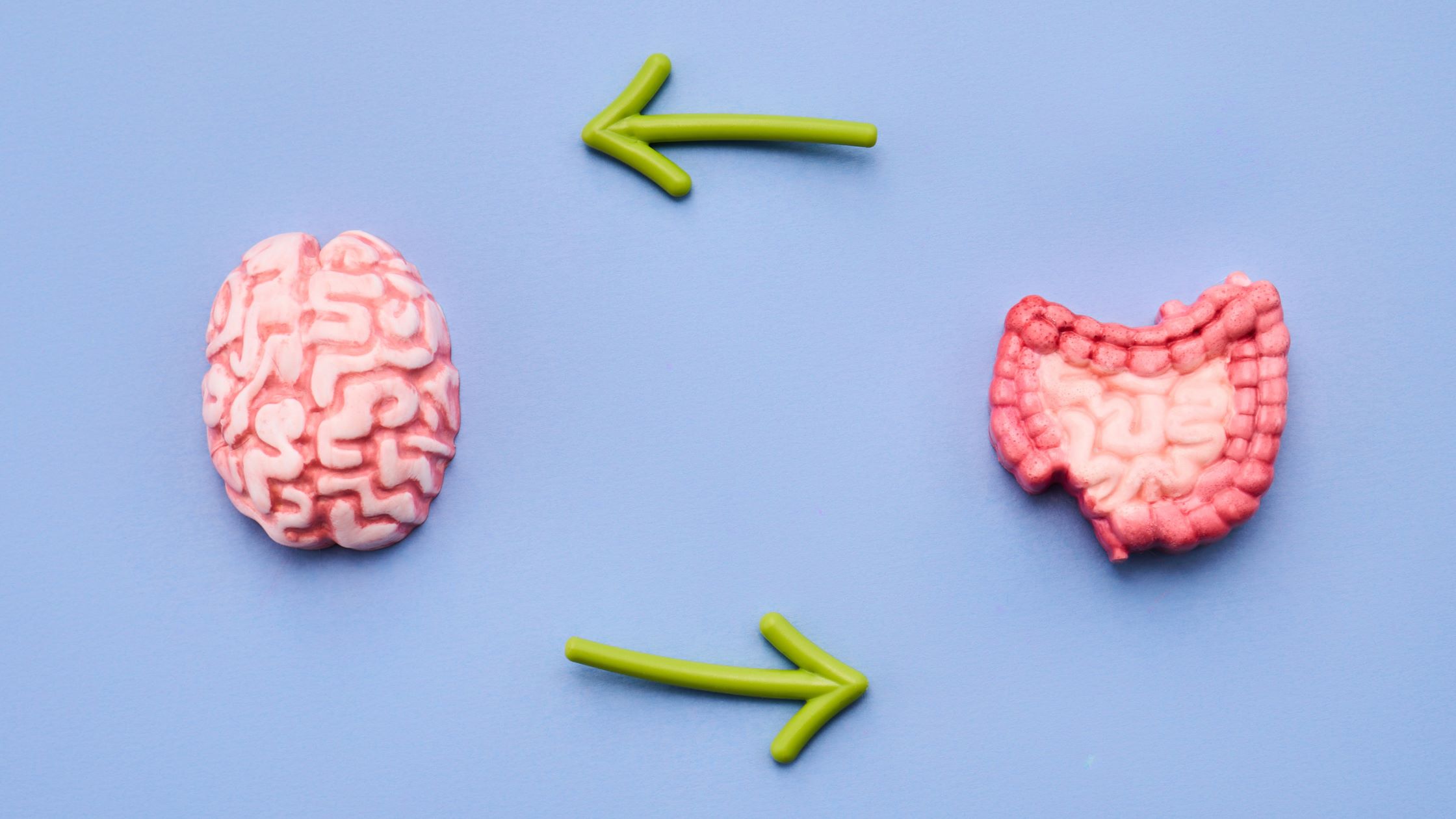
The gut, brain, immune system and hormones are in constant conversation. And in perimenopause, that conversation can become louder.
This is what I call the gut-brain-hormone axis.
It is not just about digestion. It is about how the internal terrain shapes how a woman feels in her body, her mind and her emotional world.
Your Gut Is Not Seperate From Your Mood
Many women are surprised when I explain that digestive symptoms can influence emotional symptoms.
But the gut is not simply a tube that processes food.
It is an immune organ.
A microbial ecosystem.
A communication hub.
A hormone-processing system.
A sensory interface between the outside world and the inner body.
The gut communicates with the brain through the vagus nerve, immune signalling, microbial metabolites, inflammatory pathways and neurotransmitter-related compounds.
This is why changes in gut health can sometimes show up as changes in mood, clarity, resilience or anxiety.
A woman may say, “I feel emotionally off.”
But sometimes the deeper picture includes bloating, constipation, histamine reactivity, poor nutrient absorption, inflammation or microbial imbalance.
The composition of the microbiome matters because different microbes produce different metabolites. Some support short-chain fatty acid production, gut lining integrity and immune balance, while others may contribute to inflammatory signalling when the terrain becomes disrupted.
The emotional body is often speaking through the digestive body too.
This is why this article sits closely beside my broader piece on How Nutrition and Hormones Shape Mental Health in Midlife Women, where I explain why mood, energy and emotional resilience are never separate from the body’s physiology.
Why Midlife Changes the Gut Terrain
Perimenopause is a hormonal transition, but it is also a gut transition.
Oestrogen influences gut motility, the microbiome, inflammation and the integrity of the gut lining. As oestrogen fluctuates, some women notice that their digestion becomes less predictable.
Foods that once felt fine suddenly feel heavy.
Alcohol creates more symptoms.
Histamine reactions become stronger.
Constipation appears.
Bloating becomes more persistent.
This is not random.
Hormonal shifts can alter how the gut moves, how the immune system responds and how efficiently the body metabolises and clears hormones.
This links closely with my article on changing hormone balance in perimenopause, where I explain why symptoms often intensify when several systems recalibrate at the same time.
The Estrobolome: Where Gut Health Meets Hormone Metabolism
One of the most important bridges between gut health and hormones is the oestrobolome.
The oestrobolome refers to the collection of gut bacteria involved in metabolising and recycling oestrogen.
When the gut microbiome is balanced, oestrogen metabolism and elimination tend to function more smoothly. But when the gut terrain becomes disrupted, oestrogen recycling may become less efficient or more excessive, depending on the microbial pattern.
This matters because many women in perimenopause experience symptoms that feel like hormone chaos: breast tenderness, heavy periods, mood swings, bloating, irritability or histamine sensitivity.
Sometimes the issue is not simply how much oestrogen is being produced.
It is also how well the body is processing and clearing it.
This is why gut health is never separate from hormone health.
Bile Flow, Gallbladder Sludge and Hormonal Change
There is another piece of the gut-hormone picture that is often missed: bile.
Bile is produced by the liver and stored in the gallbladder. It helps digest fats, absorb fat-soluble nutrients and support the elimination of used hormones and toxins through the bowel. When bile flow becomes sluggish, digestion often feels heavier. Women may notice bloating after fatty meals, nausea, pale or floating stools, constipation, a sense of fullness or discomfort under the right rib cage.
In midlife, hormonal changes can also influence this picture. Oestrogen can affect cholesterol concentration in bile, while progesterone may slow gallbladder motility. Together, this can contribute to thicker, more stagnant bile and, in some women, gallbladder sludge or gallstones.
This matters because sluggish bile is not only a digestive issue. It can affect hormone clearance, gut motility, microbial balance and how efficiently the body moves waste out. When bile is not flowing well, the whole digestive terrain can feel slower, heavier and more reactive.
I explore this in more detail in Gallbladder, Bile & Hormones: The Missing Link in Midlife Digestion, where I explain why gallbladder health is often part of the hormonal conversation in perimenopause.
Constipation, Clearance and Emotional Load
Constipation is often dismissed as a minor digestive issue.
But in a root-cause picture, it matters.
If bowel movements are slow, used hormones, bile metabolites and inflammatory compounds may remain in the gut longer than ideal. This can influence reabsorption and contribute to a feeling of heaviness, stagnation or bloating.
Women often describe this not only physically, but emotionally.
They feel stuck.
Heavy.
Irritable.
Cloudy.
The body and mind mirror each other more often than we realise.
This is why I see digestion as part of emotional wellbeing, not separate from it.
Histamine, Gut Reactivity and Anxiety
Histamine is another important piece.
The gut contains many immune cells, including mast cells. These cells can release histamine and other inflammatory mediators when the system becomes reactive.
In midlife, some women notice they become more sensitive to wine, fermented foods, leftovers, stress, heat or certain phases of the cycle.
This can show up as flushing, headaches, bloating, itching, palpitations, anxiety or poor sleep.
That anxiety may not be purely psychological.
It may be part immune, part hormonal, part nervous system.
This is why I explore immune-driven sensitivity in perimenopause in my histamine and mast cell article. For many women, gut reactivity and emotional reactivity are not two separate stories.
They are the same system asking for regulation.
The Microbiome, Fibre and Inflammation
The gut microbiome helps regulate inflammation.
When microbial diversity is reduced or the gut lining is irritated, inflammatory signalling may increase. This can influence the brain, the immune system and the way the nervous system responds to stress.
One of the most powerful ways to support this ecosystem is through fibre.
Fibre is not simply “roughage”. It is food for beneficial gut bacteria. When gut microbes ferment certain fibres, they produce short-chain fatty acids, often called SCFAs, such as butyrate, acetate and propionate.
These compounds help nourish the cells lining the colon, support gut barrier integrity, influence inflammation and communicate with the immune system. Butyrate in particular is often discussed because of its role in supporting the gut lining and regulating inflammatory signalling.
This is why a diverse, colourful, fibre-rich diet can be so important in midlife. It is not only about bowel movements. It is about feeding the microbial community that helps regulate inflammation, hormone metabolism and the gut-brain conversation.
Low-grade inflammation can feel subtle.
It may not announce itself dramatically.
It may appear as fatigue, brain fog, low mood, anxiety, joint aches, skin changes, food sensitivity or simply the feeling of being “not quite right”.
This is where nutrition becomes powerful.
Not because one food fixes everything.
But because the gut receives daily information from what we eat, how we eat, when we eat and how regulated the nervous system is while we digest.
This connects directly to the work I discuss in Blood Sugar, Mood and Hormones, because the gut, glucose regulation and mood are all part of the same metabolic conversation.
Intestinal Permeability, Inflammation and the “Leaky Brain” Conversation
When the gut lining becomes more permeable, sometimes referred to as “leaky gut”, substances that should remain contained within the gut may interact more strongly with the immune system. This can contribute to inflammatory signalling, which may then influence how the brain and nervous system respond.
Some researchers also discuss the concept of increased blood-brain barrier permeability, sometimes called “leaky brain”. This does not mean the gut and brain are literally leaking in a simplistic way. It refers to the idea that inflammation and immune activation may affect the protective barriers that normally help regulate what enters both the gut lining and the brain environment. This is an evolving area of research, and it should not be used to self-diagnose. I use these concepts clinically as part of a wider discussion about inflammation, immune signalling and nervous system sensitivity.
For women in midlife, this matters because inflammation, gut imbalance, stress physiology and hormonal fluctuation can all interact.
A woman may experience this as brain fog, low mood, anxiety, fatigue, food reactivity or feeling less resilient than before.
This is one reason I never look at digestion as just digestion.
The gut can be one of the places where the immune system, nervous system and emotional body meet.
The Gut Needs Safety Too
Digestion is not only biochemical.
It is also neurological.
The gut works best when the body feels safe enough to digest. If a woman is eating in a rush, working through lunch, scrolling stressful messages, drinking coffee instead of eating, or living in a constant state of alert, digestion often suffers.
The body cannot prioritise deep digestion when it believes it is in survival mode.
This is where the vagus nerve becomes important. It helps coordinate the parasympathetic state needed for digestion, repair and emotional regulation.
This is why calming the nervous system before meals is not “soft advice”.
It is physiology.
I explore this more broadly in how stress physiology shifts in midlife, because many women with bloating and anxiety are also living with a stress system that has forgotten how to soften.
When Symptoms Become the Body’s Language
A woman may not walk into clinic saying:
“My gut microbiome, oestrogen metabolism, histamine response and vagus nerve are interacting.”
She says:
“I feel bloated all the time.”
“I feel anxious after eating.”
“My digestion has changed.”
“I feel foggy.”
“I react to foods now.”
“I don’t feel like myself.”
This is the body’s language.
The lived experience of deeper physiology.
And when we listen properly, those symptoms begin to tell a story.
Not a story of failure.
A story of a system asking for support.
When Testing Can Help Us Understand the Gut Terrain
Sometimes symptoms give us enough information to begin with foundational support. But when bloating, food reactions, constipation, loose stools, histamine symptoms, fatigue, brain fog or mood changes are persistent, a comprehensive gut test can offer valuable insight.
Depending on the test used, this may help us understand microbial balance, digestive capacity, inflammatory markers, gut immune activity, short-chain fatty acid production, opportunistic organisms, yeast, parasites or markers linked to oestrogen metabolism such as beta-glucuronidase.
The purpose is not to collect data for the sake of it.
It is to understand the terrain more clearly, so support can be more targeted and less based on guesswork.
In clinic, I often use gut testing when symptoms suggest that digestion, inflammation, hormone clearance or the gut-brain connection may be contributing to the wider picture. The results are always interpreted alongside symptoms, history, lifestyle, diet and hormonal context because a test is only useful when it helps us understand the whole woman in front of us.
For women who feel they have tried “everything” for bloating, reactivity, fatigue or mood changes, gut testing can sometimes reveal why the body has been struggling to rebalance.
If you are curious whether a gut test may be appropriate for your symptoms, you can book an introductory call and we can explore whether testing would add value in your case.
(Gut testing does not diagnose every digestive or mood-related issue, and results should always be interpreted alongside symptoms, medical history, diet, medication use, stress load and relevant blood markers.)
What Support Can Look Like
Supporting the gut-brain-hormone axis is not about harsh detoxes or restrictive diets.
It begins with rhythm.
Eating enough protein. Building meals with fibre and colourful plants. Supporting bowel regularity. Hydrating well. Chewing properly. Creating enough calm around meals for the body to digest. Reducing unnecessary ultra-processed foods without becoming fearful of food.
It may also involve looking more deeply at microbiome balance, histamine load, stomach acid, bile flow, pancreatic enzymes, nutrient status, stress physiology or hormone metabolism.
This is not about chasing every symptom.
It is about understanding the terrain.
And if this feels like the support your body is asking for, this is also the kind of foundation we build inside The Empowered Reset, where food rhythm, digestion, energy and nervous system steadiness become the starting point for feeling more like yourself again.
Clinical Perspective
In clinical practice, I rarely see gut symptoms as isolated. Bloating, constipation, histamine reactivity, mood changes, brain fog and hormone symptoms often sit within the same wider terrain. This does not mean the gut is always the root cause, but it does mean digestion deserves to be part of the conversation when women feel emotionally and hormonally unsettled in midlife.
In my practice, I often see women who come in for bloating and leave understanding their mood more clearly.
Or they come in for anxiety and realise their digestion has been signalling for years.
This is the power of a whole-person approach.
The body does not separate gut from mind, hormones from emotions, digestion from energy.
That separation is often ours.
When we restore connection between systems, women often begin to feel more connected within themselves.
Final Thought
The gut-brain-hormone axis reminds us of something simple but profound.
Your symptoms are not random.
Your bloating may be connected to your mood.
Your anxiety may be connected to your gut.
Your hormones may be influenced by your microbiome.
Your digestion may be listening to your nervous system.
The body is always communicating.
And when we stop treating each symptom as separate, we begin to hear the message more clearly.
Note: New or severe digestive symptoms should always be medically assessed, especially if accompanied by blood in the stool, unexplained weight loss, persistent vomiting, severe pain, fever, anaemia or a major change in bowel habits.
A Gentle Transition Into Support
If you recognise your experience in this article, your digestion may be asking for structure, clarity and a compassionate reset.
One-to-One Functional and Energy Medicine Support
For women who sense that their digestive or hormonal imbalances require deeper, personalised exploration, one to one sessions offer the most comprehensive support. This work uncovers root causes, integrates emotional and energetic insights and builds a tailored plan that reflects your body’s specific needs. I offer a complimentary 20-minute discovery call so we can discuss your priorities, explore your symptoms and ensure we are the right fit to work together.
About Sandra Cohen
Sandra Cohen is the founder of Aura & Meta, a UK-based nutritional therapist, certified functional medicine practitioner and kinesiologist specialising in hormonal health, chronic fatigue and complex cases. She has a root-cause and holistic approach to women’s health. Her work integrates nutritional therapy, functional medicine and energy medicine to help midlife women understand their symptoms and restore energy, clarity and confidence.
Frequently Asked Questions
Can gut health affect mood in perimenopause?
Yes. The gut communicates with the brain through the nervous system, immune pathways, microbial metabolites and inflammatory signalling, all of which can influence mood and resilience.
What is the gut-brain-hormone axis?
It describes the interaction between gut health, brain function, immune signalling, hormone metabolism and nervous system regulation.
Can poor gut health affect oestrogen?
Yes. Gut bacteria involved in the oestrobolome help metabolise and recycle oestrogen, which can influence hormone balance.
Can histamine cause anxiety?
Histamine and mast cell activation can contribute to symptoms such as palpitations, flushing, poor sleep and anxiety-like sensations in some women.
Can bile flow affect hormones?
Yes. Bile supports fat digestion, nutrient absorption and the elimination of used hormones through the bowel. Sluggish bile flow may contribute to slower digestion, constipation and altered hormone clearance.
Does stress affect digestion?
Yes. Chronic stress can reduce digestive function, alter motility and affect the gut-brain connection.
Important Note
This article is educational and does not replace personalised medical or nutritional care. Persistent digestive symptoms, unexplained weight loss, bleeding, severe pain, ongoing diarrhoea, recurrent vomiting or significant mood symptoms should be discussed with an appropriate healthcare professional.
References
Cryan, J. F., O’Riordan, K. J., Cowan, C. S. M., Sandhu, K. V., Bastiaanssen, T. F. S., Boehme, M., Codagnone, M. G., Cussotto, S., Fulling, C., Golubeva, A. V., Guzzetta, K. E., Jaggar, M., Long-Smith, C. M., Lyte, J. M., Martin, J. A., Molinero-Perez, A., Moloney, G., Morelli, E., Morillas, E., … Dinan, T. G. (2019). The microbiota-gut-brain axis. Physiological Reviews, 99(4), 1877–2013. https://doi.org/10.1152/physrev.00018.2018
Peters, B. A., Santoro, N., Kaplan, R. C., & Qi, Q. (2022). Spotlight on the gut microbiome in menopause: Current insights. International Journal of Women’s Health, 14, 1059–1072. https://doi.org/10.2147/IJWH.S340491
Baker, J. M., Al-Nakkash, L., & Herbst-Kralovetz, M. M. (2017). Estrogen-gut microbiome axis: Physiological and clinical implications. Maturitas, 103, 45–53. https://doi.org/10.1016/j.maturitas.2017.06.025
Wang, H. H., Liu, M., Clegg, D. J., Portincasa, P., & Wang, D. Q.-H. (2009). New insights into the molecular mechanisms underlying effects of estrogen on cholesterol gallstone formation. Biochimica et Biophysica Acta (BBA) – Molecular and Cell Biology of Lipids, 1791(11), 1037–1047. https://doi.org/10.1016/j.bbalip.2009.06.006
Weinstock, L. B., Nelson, R. M., & Blitshteyn, S. (2023). Neuropsychiatric manifestations of mast cell activation syndrome and response to mast-cell-directed treatment: A case series. Journal of Personalized Medicine, 13(11), 1562. https://doi.org/10.3390/jpm13111562
Parada Venegas, D., De la Fuente, M. K., Landskron, G., González, M. J., Quera, R., Dijkstra, G., Harmsen, H. J. M., Faber, K. N., & Hermoso, M. A. (2019). Short chain fatty acids (SCFAs)-mediated gut epithelial and immune regulation and its relevance for inflammatory bowel diseases. Frontiers in Immunology, 10, 277. https://doi.org/10.3389/fimmu.2019.00277
Kelly, J. R., Kennedy, P. J., Cryan, J. F., Dinan, T. G., Clarke, G., & Hyland, N. P. (2015). Breaking down the barriers: The gut microbiome, intestinal permeability and stress-related psychiatric disorders. Frontiers in Cellular Neuroscience, 9, 392. https://doi.org/10.3389/fncel.2015.00392
Tang, W., Zhu, H., Feng, Y., Guo, R., & Wan, D. (2020). The impact of gut microbiota disorders on the blood-brain barrier. Infection and Drug Resistance, 13, 3351–3363. https://doi.org/10.2147/IDR.S254403